Challenge: Excessive Water Use in Poultry Processing
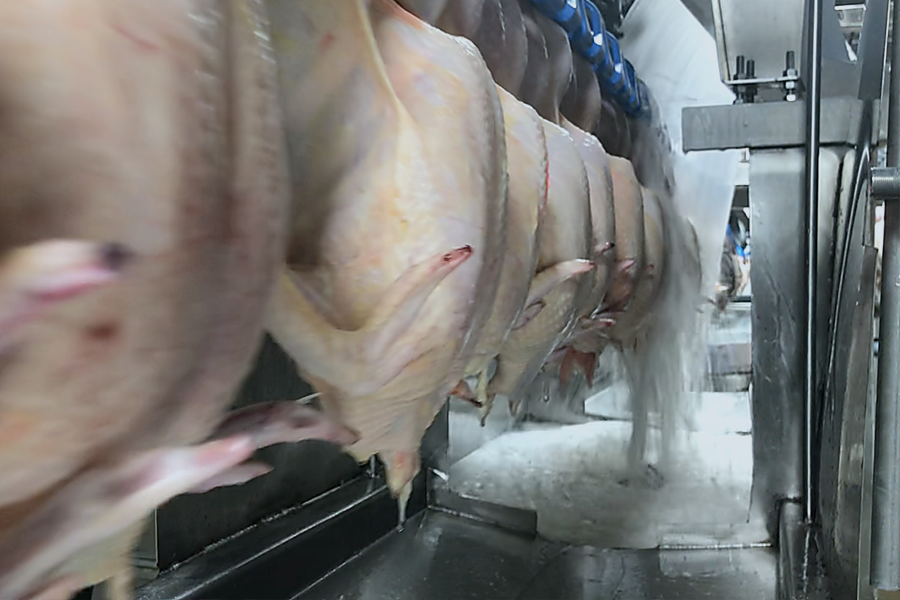
Water is a critical resource in poultry processing, used for cleaning, sanitation, and daily operational needs. From hot water for plant sanitation to rinse and chilling systems in processing, usage quickly adds up. The average plant uses between 6.5–7 gallons of water per bird, while the industry target is 4–5 gallons per bird. This excess not only increases operational costs but also challenges sustainability goals.
For context, a facility processing 250,000 birds per day at 7 gallons per bird uses 1.75 million gallons of water daily. Over a standard 20-day working month, that adds up to 35 million gallons, and more than 420 million gallons annually. At an average water treatment cost of $7–$11 per 1,000 gallons, these numbers equate to millions of dollars in annual water costs.
Beyond cost, there’s increasing pressure from consumers, investors, and regulatory personnel for plants to reduce water consumption and support environmental sustainability.
Solution: Leveraging Safe Foods’ MARC System
To address these challenges, our customer utilized Safe Foods’ MARC (Monitor, Analyze, Respond, Control) system. This smart technology provided the tools needed to take control of water use across the plant.
Step 1: System Mapping and Baseline Assessment
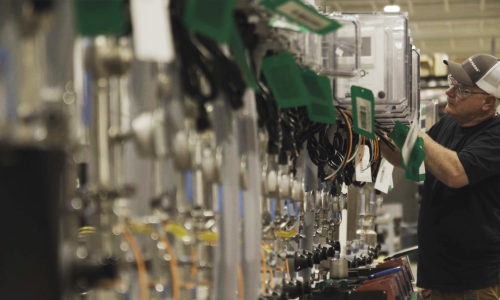
The process began with a full audit of the plant’s water systems. All water lines were traced, and each application point was identified and categorized by departmental line. This allowed precise tracking and control of water usage at the dip tanks and cope units across the facility.
Step 2: Real-Time Monitoring and Alerts
Using the MARC system, water flow setpoints were standardized to 3–4 gallons per minute (gpm). The system was programmed to send automated alerts to department managers if usage exceeded or fell below this threshold. This real-time communication increased management engagement and drove immediate corrective actions, helping departments stay within optimal water use ranges.
Step 3: Data-Driven Adjustments in Second and First Processing
After maintaining consistent water usage in second processing for more than two weeks, attention turned to first processing, where data from MARC showed the Evis Loop as the largest water consumer. This loop served several application points: ESS sprayers, NYW, tunnel cascade, and Evis dip, all of which reused water.
By locating the main water line feeding the Evis Loop and using MARC as a control tool, our customer reduced water flow from 180 gpm to 155 gpm without compromising plant performance.
Results: Measurable Water and Cost Savings
As a result of these improvements:
- Water usage was reduced from 10 gallons per bird to 7.8 gallons per bird
- Daily water use dropped by hundreds of thousands of gallons
- Greater control over PAA (peracetic acid) usage was also achieved
- The plant moved closer to industry benchmarks for sustainability
By utilizing the MARC system, our customer not only saved millions of gallons of water annually but also significantly reduced their treatment costs, creating an immediate return on investment while supporting long-term environmental goals.
Conclusion: A Smarter Approach to Sustainability
Safe Foods’ MARC system gave the customer real-time visibility, automated controls, and actionable insights that transformed how water was managed in the plant. In an industry where every gallon matters, financially and environmentally, this case demonstrates how our unique technology can help processors align operations with sustainability targets, reduce overhead, and drive efficiency.