Beat the Heat: Keeping Food Safety Front and Center During Summer 2025
The hot temperatures this year present unique challenges, but they also present an opportunity to double down on your commitment to operational excellence. Taking a few extra steps now can prevent costly disruptions later.
We are in the thick of the summer heat across the country and in food processing environments, that’s a challenge that can’t be ignored.
With production demands rising and operations running at full speed, it’s easy to lose sight of routine facility sanitation and preventive programs. But hotter weather creates the perfect breeding ground for dangerous microbial growth that can compromise product quality, employee safety, and brand reputation. It’s not just discomfort; it’s a food safety risk.
Here are some proactive steps your team can take to stay ahead of seasonal hazards and keep your operations running safely and efficiently:
1. Revisit Your Master Sanitation Schedule
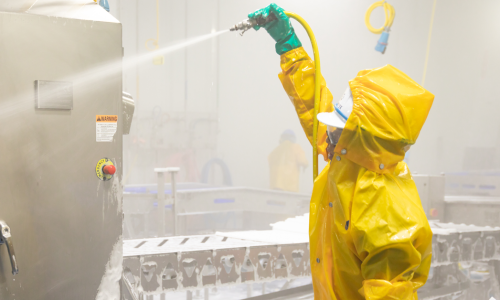
Summer heat accelerates microbial growth, especially in hard-to-reach places like HVAC units, air curtains, and in spaces where warm, humid air collects. Make sure your Master Sanitation Schedule is updated, with the right frequency and focus on temperature-sensitive areas. Pay special attention to:
Air and cooling unit cleanings
Drain and floor sanitation
Air curtains between warm and cool zones where condensation is likely
2. Tighten Up Daily Sanitation and Swabbing Processes
Heat can interfere with your routine testing. Improper storage or delays in sending out swab samples can skew results. To ensure accuracy:
Store swabs in coolers or refrigerators until pickup
Reconfirm courier pickup times to avoid prolonged heat exposure
Verify sanitation steps are being completed with proper chemical concentrations, every time
3. Prioritize Integrated Pest Management
Open dock doors, warm weather, and increased humidity create a trifecta of risk. These areas become hotspots for insects and rodents. Make sure your IPM (Integrated Pest Management) plan is aligned with seasonal activity:
Increase inspection frequency around shipping/receiving zones
Ensure sanitation and waste removal are prompt and thorough
Monitor perimeter entry points more frequently
4. Check Preventative Maintenance Programs
Heat impacts more than just microbes. It can strain HVAC systems and cause damage to storage conditions if not closely monitored. Make sure:
Temperature checks happen multiple times per shift
All cooling systems are operating efficiently
Secondary storage areas (dry goods, packaging, entryways) are clean and properly ventilated
5. Don’t Overlook Employee Safety in the Heat
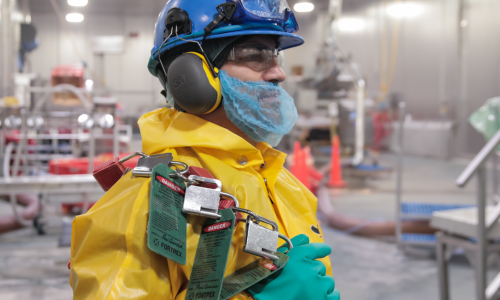
Food processing facilities are physically demanding—and the addition of high heat, PPE, and limited airflow can quickly turn dangerous for workers. Heat stress not only affects health, but also productivity and attention to detail, increasing the risk of mistakes and accidents.
Know the signs:
Heat exhaustion: heavy sweating, weakness, nausea, dizziness, rapid heartbeat
Heat stroke: confusion, fainting, red/hot/dry skin, very high body temperature
Prevention tips:
Encourage regular hydration breaks
Provide access to cooled rest areas and proper ventilation
Consider lighter-weight, breathable PPE options where possible
The hot temperatures this year present unique challenges, but they also present an opportunity to double down on your commitment to operational excellence. Taking a few extra steps now can prevent costly disruptions later.
Food Guardian eNewsletter
Sign up to get exclusive news in your inbox every month.